
Unexpected downtime in a facility often begins with small safety oversights around moving equipment. Conveyor roller systems operate continuously under load, and even minor issues can lead to injuries, product damage, or costly disruptions.
When safety protocols are overlooked, operations face higher maintenance costs, compliance risks, and reduced efficiency. Well-defined safety measures help maintain consistent material flow while protecting workers and equipment. Businesses across the United States rely on properly specified and maintained material handling rollers to support safe and reliable operations.
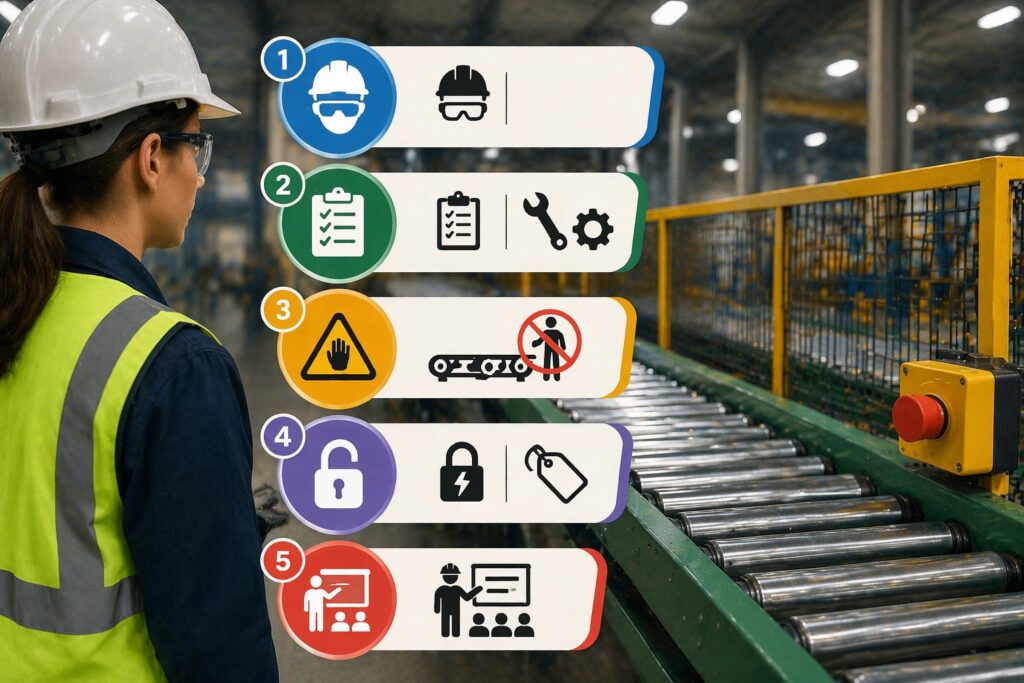
1. Guarding and Pinch Point Protection
Moving rollers create multiple pinch points where materials and components interact. Without proper guarding, these areas pose serious risks.
Key considerations include:
- Install fixed guards around rotating rollers and drive components
- Cover exposed shafts, chains, and couplings
- Maintain proper spacing to reduce accidental contact
- Use barrier systems in high-traffic zones
Well-designed guarding reduces injury risk while allowing systems to operate without interruption.
2. Routine Inspection and Preventive Maintenance
Wear and tear are common in conveyor roller systems due to continuous motion and load stress. Regular inspection helps identify issues before they escalate.
Maintenance practices should include:
- Checking rollers for wear, misalignment, or unusual noise
- Inspecting bearings and lubrication levels
- Monitoring belt or chain tension, where applicable
- Replacing damaged or seized rollers promptly
Preventive maintenance improves equipment lifespan and minimizes unplanned downtime.
3. Load Handling and Capacity Awareness
Each conveyor roller system is designed for a specific load capacity. Exceeding these limits places stress on rollers, frames, and drive systems.
Safe load handling involves:
- Understanding system load ratings and distribution limits
- Avoiding uneven loading across rollers
- Using appropriate roller types for product weight and size
- Monitoring changes in product flow or volume
Balanced loads help maintain system stability and reduce component strain.
4. Emergency Stop Systems and Accessibility
Emergency stop systems provide a critical layer of protection during unexpected events. Quick access to these controls helps prevent escalation.
Important safety measures include:
- Installing emergency stop buttons at regular intervals
- Ensuring clear visibility and unobstructed access
- Testing stop systems regularly for proper function
- Integrating stop controls with system shutdown protocols
Accessible emergency systems support faster response and improved workplace safety.
5. Operator Training and Safe Work Practices
Proper training ensures that personnel understand system operation, limitations, and risks. Lack of training often leads to unsafe handling and misuse.
Effective training programs should cover:
- Safe startup and shutdown procedures
- Recognizing the warning signs of equipment issues
- Proper handling of materials on rollers
- Lockout and tagout procedures during maintenance
Consistent training aligned with a custom conveyor roller configuration builds awareness and reduces the likelihood of accidents.
Common Safety Mistakes in Conveyor Roller Operations
Several common issues can compromise safety and performance:
- Skipping routine inspections
- Operating systems beyond rated capacity
- Ignoring early signs of wear or misalignment
- Blocking access to emergency stop controls
- Inconsistent training across teams
Addressing these gaps improves both safety and operational reliability.
Why Safety Measures Improve System Performance
Strong safety practices contribute directly to system performance. Well-maintained roller components operate more smoothly, reduce downtime, and support consistent throughput.
Benefits include:
- Reduced maintenance costs
- Improved equipment lifespan
- Lower risk of operational delays
- Enhanced workplace safety compliance
Facilities that prioritize safety often experience more stable and predictable operations.
Strengthening Conveyor System Reliability with the Right Safety Approach
Safety measures form the foundation of efficient conveyor roller system operation. Consistent inspections, proper guarding, and trained personnel reduce risks while supporting long-term performance. Businesses evaluating conveyor rollers for their facilities can benefit from structured safety practices that align with operational demands.
Contact Heinrich Brothers Inc. to learn more about industrial conveyor roller configurations and component options.