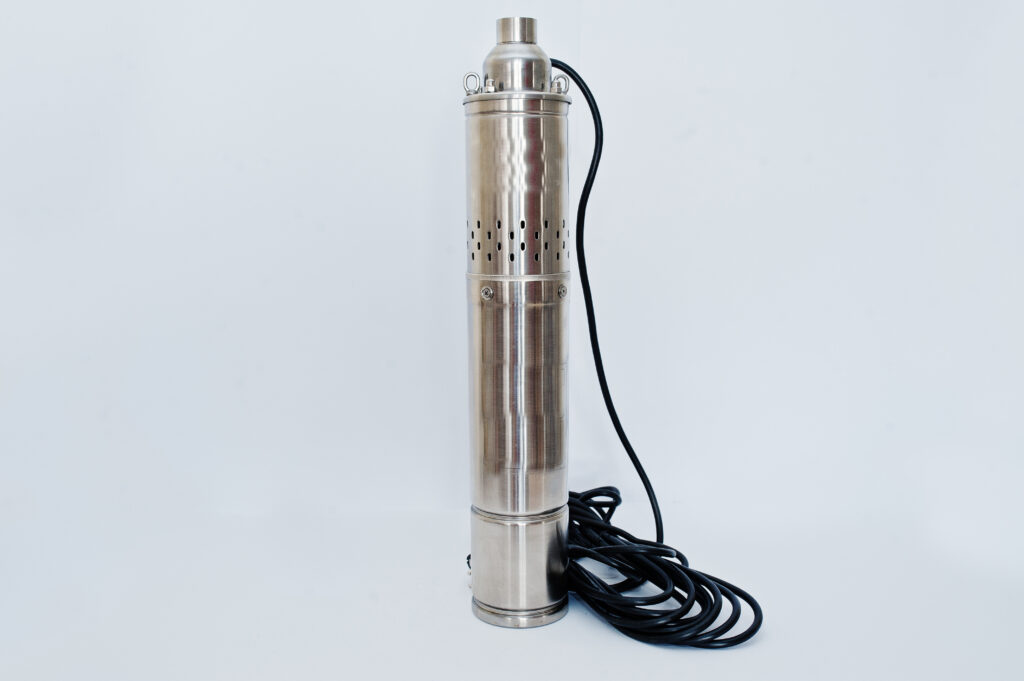

Low or unstable water pressure can disrupt operations, increase equipment wear, and affect system stability. Most facilities experience early warning signs such as pressure drift, alarms, and vibration before complete failure occurs. These indicators help procurement and reliability teams determine when replacement is more effective than continued repair. A water pressure booster pump often shows measurable performance decline before reaching the end of its service life.
1. Rapid Cycling and Unstable Booster Pump Performance
Rapid cycling indicates a loss of system stability rather than a minor control issue. Frequent starts and stops often result from air entry, weakened pressure vessels, or poor suction conditions.
Specification: Suction Line and Pressure Vessel Integrity
A properly designed booster skid maintains steady suction flow and stable vessel charge. Air leaks reduce prime stability and force erratic control responses.
Proof Point: Operational Efficiency Impact
Frequent cycling increases motor heat and control wear while delivering minimal useful flow.
Selection Check:
- Monitor discharge pressure fluctuations
- Inspect suction fittings and vessel charge
- Identify repeated short cycling as a replacement indicator
2. Excessive Noise and Vibration in Building Systems
Persistent vibration and noise often indicate structural or hydraulic imbalance. Increasing sound levels typically reflect mechanical stress within the system.
Specification: Vibration Isolation and Mounting
Isolation mounts must match system load and piping strain. Poor base design amplifies vibration through piping and structural supports.
Proof Point: Structural Wear
Vibration stress appears first at flexible connectors, threaded joints, and support points.
Evaluation Indicators:
- Continuous vibration under stable load
- Noise increases over time
- Movement at connection points
3. Frequent Drive Faults and System Instability
Repeated drive alarms indicate a mismatch between system demand and control configuration. Fault conditions often point to deeper hydraulic or electrical inconsistencies.
Specification: Variable Frequency Drive Diagnostics
Variable frequency drives regulate motor speed based on demand. Diagnostic data should include fault history, load trends, and staging sequences.
Proof Point: Energy Performance
Modern systems provide smoother pressure control and reduced energy consumption compared to constant-speed systems.
System Review:
- Evaluate fault frequency trends
- Check pressure sensor stability
- Verify pump staging logic
4. Cold-Weather Performance Issues and Pressure Instability
Temperature changes can expose design limitations in booster systems. Poor winter performance often relates to drainage, insulation, or enclosure design.
Specification: Environmental Protection
Effective systems include insulated piping, protected enclosures, and controlled drainage.
Proof Point: Seasonal Reliability
Freeze-related failures increase when systems are exposed to unheated environments or airflow.
Inspection Points:
- Ice formation near relief outlets
- Moisture within control panels
- Manual adjustments masking pressure instability
5. Backflow Compliance Issues in Booster Pump Systems
Backflow protection is critical for maintaining system integrity and regulatory compliance. Non-compliant systems may fail inspection despite adequate pressure capacity.
Specification: System Protection and Hygiene
Proper installations include compatible materials, cleanable components, and integrated backflow prevention.
Proof Point: Audit Readiness
Incomplete documentation or poorly integrated components often lead to inspection delays.
Compliance Review:
- Confirm approved system assemblies
- Verify accessibility of valves and controls
- Ensure proper separation between system functions
6. Increasing Maintenance Demands and Reduced Efficiency
Rising maintenance frequency signals declining system performance. Recurring issues such as seal wear, valve failure, and pressure inconsistency indicate system fatigue.
Specification: Service Intervals and Wear Components
Predictable maintenance cycles depend on system alignment, water quality, and operating conditions.
Proof Point: Total Cost Impact
Frequent service calls increase operational costs and reduce system efficiency.
Maintenance Indicators:
- Repeated seal replacement
- Pressure recovery delays
- Increased service intervention frequency
7. System Upgrade Requirements and Operational Limitations
Replacement decisions should address full system performance rather than individual components. A new water pressure booster pump must integrate with the existing layout, controls, and operational requirements.
Specification: System Integration and Layout
Installation planning must consider service access, suction alignment, and structural support.
Proof Point: Long-Term Performance
Proper system upgrades improve reliability, reduce downtime, and support consistent operation.
Next-Step Priorities:
- Verify structural support and installation layout
- Ensure accessibility for maintenance
- Evaluate lifecycle cost instead of short-term repair
Accurate Evaluation Supports Long-Term Performance
A water pressure booster pump should operate within defined system parameters to maintain stable pressure and efficiency. Performance decline often appears gradually through cycling, vibration, and increased maintenance demand.
System-level evaluation, including suction conditions, control systems, and structural layout, supports accurate replacement decisions. Reviewing industrial pump systems before failure reduces operational risk and improves long-term performance.
For facilities evaluating system upgrades, Vissers Sales Corp. provides solutions aligned with industrial operating requirements and system integration needs.