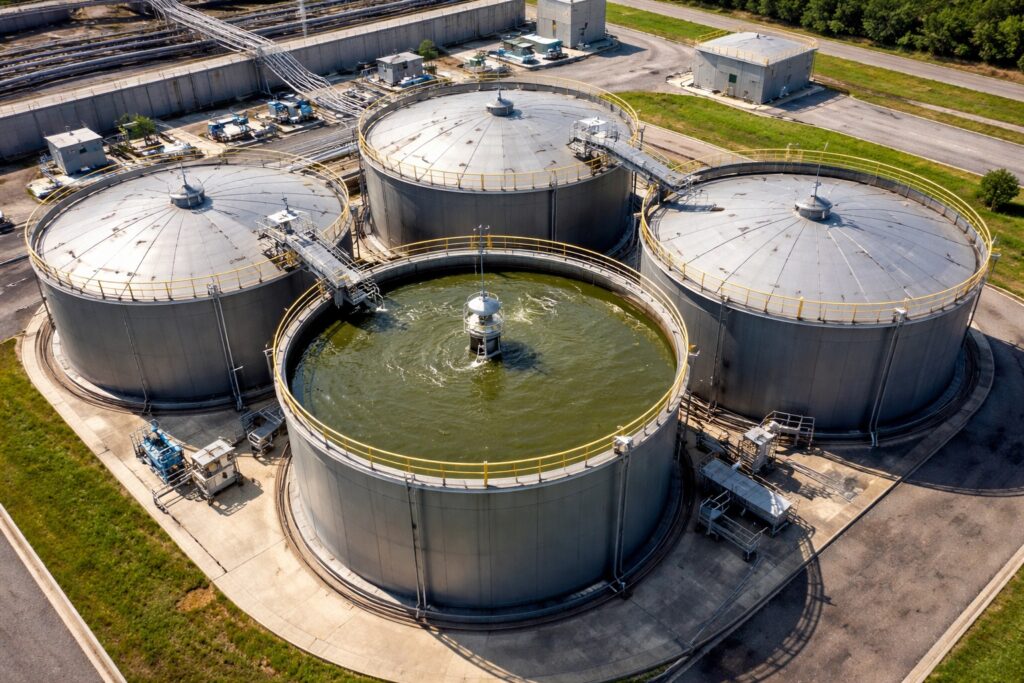

Efficient wastewater storage is essential in today’s regulatory and operational landscape. Whether in municipal treatment facilities, industrial plants, or remote construction sites, the ability to store and manage wastewater safely is critical for both compliance and sustainability. Custom-engineered wastewater storage tanks offer dependable solutions tailored to modern challenges.
From managing variable flow rates to withstanding chemical-laden liquids, engineered sewage holding tanks are designed to meet evolving infrastructure and environmental needs.
Key Challenges in Storing and Treating Wastewater Onsite
Onsite wastewater storage involves multiple risks and variables. Tanks must be capable of:
- Handling fluctuating inflow volumes
- Resisting corrosive byproducts like hydrogen sulfide and ammonia
- Preventing groundwater contamination
- Containing odors and gases without leakage
- Supporting compatibility with treatment systems or transport pumps
Poorly selected or installed sewage storage tanks often fail due to structural weakness, incorrect material choice, or lack of access for cleaning. These issues can lead to costly repairs, regulatory violations, or environmental damage.
Differences Between Sewage, Stormwater, and Greywater Tanks
Not all wastewater is the same. Tanks must be designed according to the type of liquid they will store:
- Sewage tanks manage blackwater containing organic solids and pathogens from toilets or sanitary systems. These require robust sealing, venting, and corrosion resistance.
- Stormwater tanks hold runoff from streets, roofs, or parking areas. While generally lower in organic content, they often include sediment and debris, requiring built-in filtration or access for sediment removal.
- Greywater tanks contain relatively clean water from sinks, showers, and appliances. These tanks can be reused for irrigation, but must still meet health and zoning standards.
Each application demands specific material compatibility, outlet design, and capacity planning.
Choosing Tank Materials That Resist Corrosion and Gases
The harsh nature of stored wastewater calls for tanks made of materials that resist corrosion, pressure, and chemical degradation. Recommended options include:
- Fiberglass Reinforced Plastic (FRP): Lightweight, non-reactive, and ideal for underground or above-ground use
- High-density polyethylene (HDPE): Common for greywater or non-aggressive fluids
- Stainless steel (limited use): For certain industrial processes, although often cost-prohibitive
FRP is particularly effective for sewage storage tank systems due to its resistance to corrosive gases like hydrogen sulfide, which accelerates the deterioration of concrete and untreated metals. The non-porous surface also prevents bacteria buildup and foul odors.
Design Features for Easy Drainage and Odor Control
Modern wastewater tanks integrate smart features that support safe, efficient operations:
- Sloped bottoms and center drains: Ensure complete emptying and prevent sludge accumulation
- Vent piping and gas relief valves: Control pressure buildup and direct gases away from populated areas
- Manways and access hatches: Allow easy internal inspection and cleaning
- Odor control units: Neutralize or capture foul air from venting systems
- Level sensors and alarms: Alert operators of high or low fluid levels
These features are especially important for tanks installed in residential zones, schools, or commercial districts where odor and leakage risks must be minimized.
Regulatory Considerations for Wastewater Holding
Municipalities and industrial facilities must meet strict requirements regarding wastewater containment. Permits, inspections, and discharge limits vary by region, but general requirements include:
- Secondary containment for above-ground tanks
- Leak detection and monitoring systems
- Anti-floatation features for underground tanks
- Compliance with EPA, CSA, or local public works standards
- Integration with pre-treatment or pump-out systems
Proper documentation, engineering reports, and material certifications are essential when installing sewage holding tanks in regulated areas. Failing to comply can result in operational shutdowns or significant fines.
Tank Sizing, Delivery, and Siting in Urban vs. Rural Areas
Tank size is determined by daily inflow rates, storage duration, and pump-out frequency. Urban facilities often require compact, above-ground tanks due to space limitations, while rural or industrial sites may benefit from large, underground tanks with extended capacity.
Considerations for delivery and installation include:
- Site access for cranes or flatbeds
- Foundation preparation for heavy tanks
- Protection from freeze-thaw conditions in colder climates
- Buffer zones for odor and spill control
Proper siting ensures ease of access for maintenance vehicles, monitoring systems, and emergency pump-out procedures.
Conclusion
Engineered wastewater holding tanks play a critical role in both industrial and municipal water systems. With the right design, material, and features, these tanks support environmental protection, operational efficiency, and long-term regulatory compliance.