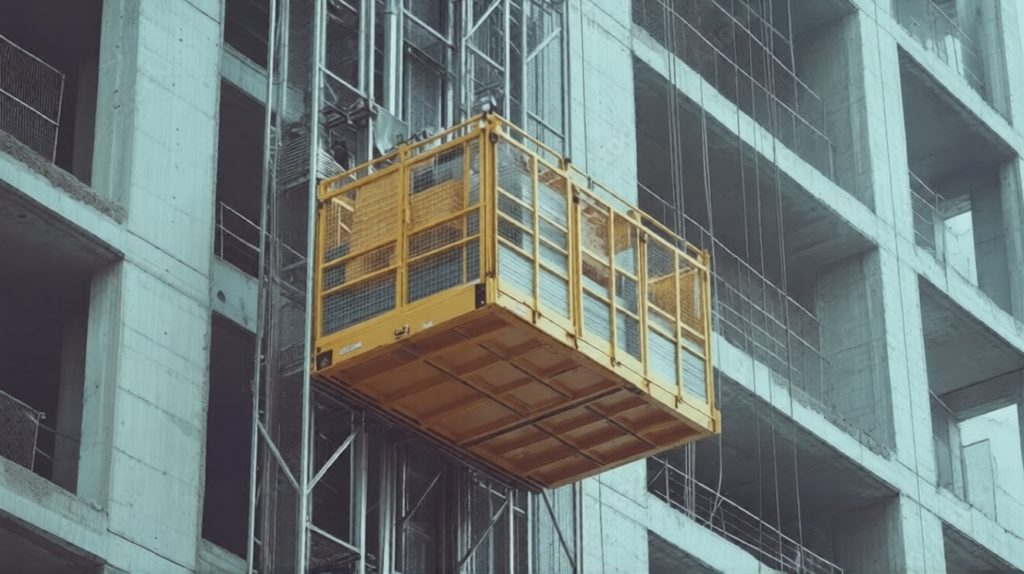

Project timelines are often defined by how efficiently materials and crews move across vertical structures. Selecting the wrong construction hoist elevator can quietly reduce productivity and create delays that compound as building height increases. What appears to be a minor capacity decision early in planning can later become a major constraint on project performance.
As site activity intensifies, the difference between standard and high-capacity systems becomes more visible. A mismatch between demand and lifting capability slows operations, increases congestion, and places pressure on critical deadlines. Choosing the right construction hoist elevator is not just a technical decision. It directly impacts schedule reliability and cost control.
Why Hoist Capacity Directly Impacts Construction Timelines
Capacity determines how much material and how many workers can move per cycle. A construction site hoist with insufficient capacity requires more trips to complete the same workload. This increases cycle time and creates delays across multiple trades. Over time, these inefficiencies accumulate and affect the entire project timeline.
Understanding Standard Construction Hoist Elevators and Their Limitations
Standard systems are designed for moderate workloads. A construction hoist elevator with limited capacity may perform adequately during early phases but struggle as demand increases. As more trades operate simultaneously, these systems create bottlenecks that slow down material delivery and workforce movement.
How High-Capacity Construction Hoist Elevators Improve Material and Workforce Flow
High-capacity systems are engineered to handle larger loads and higher traffic. A properly selected construction site hoist reduces the number of trips required, improving throughput and minimizing waiting time. This supports continuous material flow and allows crews to maintain consistent productivity across all levels.
Productivity Comparison: Load Cycles, Speed, and Throughput
Productivity depends on load cycles, lifting speed, and overall throughput. A standard construction hoist elevator may require multiple cycles to move materials that a high-capacity system can handle in fewer trips. Reduced cycle frequency leads to faster material delivery and improved coordination between trades.
Impact on Project Scheduling, Trade Coordination, and Site Congestion
When capacity is insufficient, scheduling becomes more complex. A constrained c onstruction-site hoist creates congestion at loading points and delays the delivery of materials to upper floors. This disrupts coordination between trades and forces adjustments that affect overall workflow and sequencing.
Cost vs Performance: Short-Term Savings vs Long-Term Efficiency
Lower-capacity systems may appear cost-effective initially. However, a construction hoist elevator that fails to meet project demands often leads to higher labour costs, delays, and operational inefficiencies. Investing in higher capacity improves long-term efficiency and reduces the risk of extended timelines and budget overruns.
Choosing the Right Capacity for Faster and More Reliable Project Delivery
Capacity limitations are not always visible during planning, but their impact becomes significant as projects scale. Selecting the wrong system creates delays that are difficult to recover once construction reaches peak activity. UCEL Inc. provides engineered solutions designed to align hoist capacity with project requirements, ensuring reliable performance under demanding conditions.
Avoid decisions that slow progress and increase risk. Partner with UCEL Inc. to implement a high-performance system that supports consistent productivity and protects project timelines with the right construction elevator solution.